2025 Heavy Truck Market
The 2025 heavy truck market is experiencing a strong "year-end sprint" atmosphere! With the expiration of the old-for-new truck trade-in policy nearing its end, the industry continues its rapid growth momentum from the second half of the year, achieving eight consecutive months of increases since April, with an average growth rate as high as 42%. According to preliminary data from First Commercial Vehicle Network, wholesale sales of heavy trucks in my country reached 100,000 units in November (including exports and new energy vehicles), a 6% decrease month-on-month (mainly due to destocking after adding inventory in October), but a significant year-on-year increase of 46%. This sales volume ranks second in the past eight years, second only to the 136,000 units in November 2020.
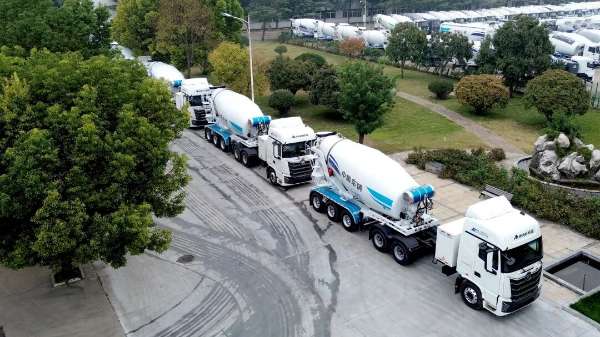
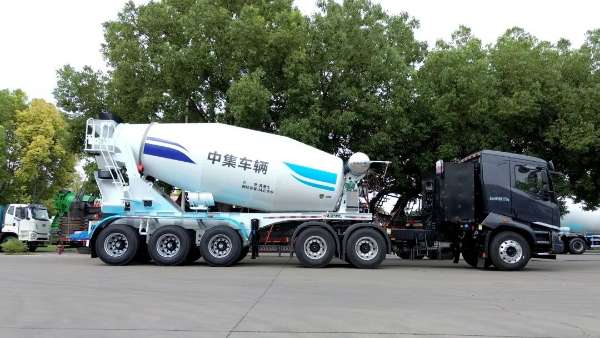
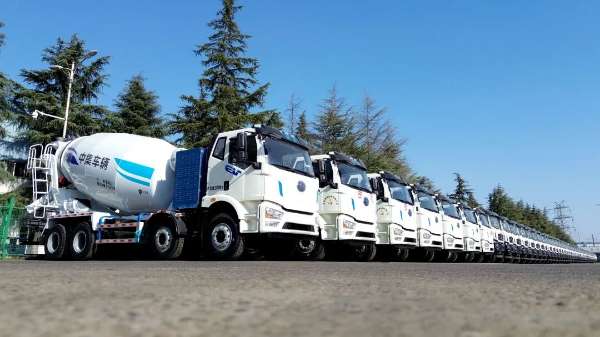
Cumulatively, from January to November, the cumulative sales of heavy trucks have exceeded 1.03 million units, a year-on-year increase of 26%, bringing the annual target of 1.1 million units within reach. As core equipment in the engineering construction field, the concrete mixer truck market has also benefited from the high prosperity of the heavy truck industry. With the steady progress of domestic infrastructure investment and the release of demand for replacing old engineering vehicles, the terminal demand for concrete mixer trucks continues to strengthen, becoming an important force supporting the growth of the heavy truck sub-market.
The core driver of the year-end sales boom in the heavy-duty truck market remains policy dividends. Since April, the trade-in policy for commercial trucks has continued to exert its influence. Although some regions suspended or adjusted subsidies due to fiscal constraints, many places restarted subsidies after the central government's subsidy funds were gradually disbursed at the end of September. Coupled with the "tail-end effect" of the policy's end, rapid year-on-year growth in the fourth quarter became inevitable. This policy had a particularly direct impact on the concrete mixer truck market, with a concentrated release of demand for scrapping and replacing old mixer trucks. At the same time, the expansion of scenarios such as new urbanization construction and new energy projects further opened up the market space for concrete mixer trucks.
New Energy Sector
New energy heavy-duty trucks reached new heights, with terminal sales in November expected to reach 26,000 units, a year-on-year increase of nearly 1.6 times. The monthly industry penetration rate exceeded 30%, breaking historical records. This growth benefited from the expiration effect of the trade-in policy and the advance effect of the new energy vehicle purchase tax reduction becoming half-reduction next year. In the wave of growth in new energy heavy-duty trucks, electric concrete mixer trucks, with their advantages of low operating costs and adaptability to engineering scenarios, have become the focus of market attention. Their sales growth trend is highly consistent with the industry's electrification transformation trend.
Exports
Overseas heavy-duty truck exports maintained steady growth in the second half of the year, with November exports increasing by nearly 20% year-on-year. Full-year exports exceeding 320,000 units, setting a new record, is now a certainty. Amid this export boom, engineering equipment such as concrete mixer trucks, with their cost-effectiveness, have gained greater recognition in overseas infrastructure markets such as Southeast Asia and the Middle East, becoming an important supplement to the growth of heavy-duty truck exports.
Market Forecast
It is expected that by 2026, the heavy-duty truck market will gradually move away from the direct stimulus of the trade-in policy and shift towards sustained support from infrastructure investment and equipment replacement demand. For the concrete mixer truck market, in addition to continuing to benefit from domestic engineering construction demand, it will also face two major trends: first, the accelerated upgrading to electrification and intelligentization requires concrete mixer truck manufacturers to focus on scenario-based innovation to improve the economy and adaptability of their products; second, the further release of overseas market potential, with domestically produced concrete mixer trucks possessing technological advantages and cost-effectiveness expected to achieve breakthroughs in more overseas markets along with the global infrastructure boom.
The steady growth of the heavy-duty truck industry has provided a favorable development environment for sub-categories such as concrete mixer trucks. Meanwhile, the upgrading of demand and global expansion of the concrete mixer truck market will further enrich the growth dimensions of the heavy-duty truck industry and promote the industry's transformation towards high-quality development.